
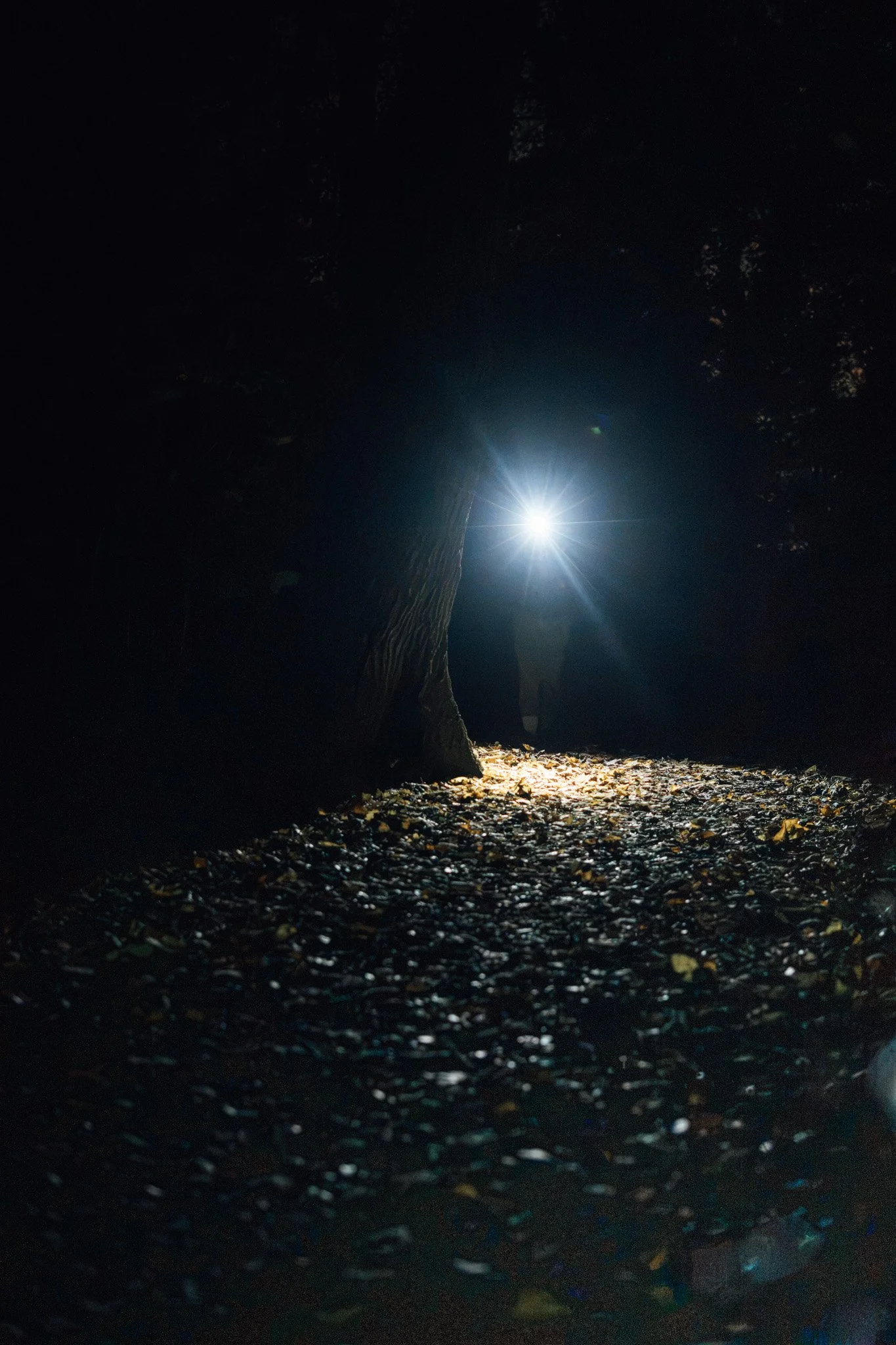
Those long, dark and cold winter mornings can be a bit of a mind game.
We’ve all been there. It’s 06:00 on a Saturday in mid-November. The alarm is sounding, rain is lashing against the bedroom window, and your bed is offering a level of warmth that feels almost impossible to leave.
Right now, your big 2027 ultra goal feels comfortably far away. It sits safely on the horizon, wrapped in the romantic idea of long summer evenings, dry trails, and crossing a sunlit finish line with arms aloft.
But out on the trail, the reality is starkly different.
At TrailMed, our teams spend hundreds of hours on the ground every season. We provide the clinical governance, medical cover, and emergency response teams for some of the UK’s most gruelling ultra-marathons, fell races, and multi-stage endurance challenges. And if our medical tents have taught us anything over the years, it’s this: races aren’t won or lost on race weekend.
You win or lose them right now. In the dark. In the wet. In the discipline of showing up when every instinct tells you to stay inside.
Winter training is a double-edged sword. It presents a genuine physical and psychological trial that can easily derail your momentum if you don’t respect it. But approached with the right mindset, tactical planning, and kit system, it becomes the ultimate testing ground.
Here is our clinical and coaching take on how to navigate the cold months, conquer the head games, and pack the non-negotiables to keep moving forward.
1. The Head Game: Overcoming the Winter Inertia
When the days are short, and the weather is grim, motivation is the first casualty. Relying on "feeling inspired" to log a 20-mile winter fell run or a four-hour mountain trek is a losing battle. You need systems, not motivation.
Dismantle the Horizon: Looking at a four-month winter training block when you’re already tired is overwhelming. Shrink your focus to the immediate session in front of you. Better yet, shrink it to the first ten minutes. Tell yourself: "I’ll get my kit on, get out the door, and do ten minutes. If it’s truly miserable, I can turn back." In nine out of ten cases, once your cardiovascular system comes alive and your core warms up, you’ll finish the session.
Reframe the Weather: There is no moral victory in sunny, 18°C trail running. That’s easy. True resilience, the kind you will desperately need when you hit mile 70 in your target event, is forged when you learn to operate calmly in horizontal sleet. Treat foul weather not as an inconvenience, but as free mental conditioning.
Remove the Friction Points: If you have to spend 25 minutes hunting for gloves, charging a headtorch, and searching for waterproofs in the morning, you won’t go. Lay your entire kit out the night before. Zero decision-making at dawn.
2. The Physical Reality: What the Cold Actually Does to You
As clinicians, we regularly see experienced athletes get caught out because cold-weather physiology behaves very differently from warm-weather running.
The Dehydration Trap: In summer, sweat is obvious; it drips off your chin and covers your kit. In freezing temperatures, cold-induced diuresis (wanting to pee more) occurs because the cold forces your blood inward to keep your core warm; your body misinterprets this sudden shift as having "too much blood volume." Your kidneys immediately kick into overdrive (diuresis) to dump the "excess" fluid as urine. Coupled with the dry air pulling moisture out of your lungs with every breath, and a tendency to drink less as your thirst mechanism can plummet by as much as 40% and a reluctance to go to the toilet in the cold, we've found that athletes frequently arrive at our medical checkpoints profoundly dehydrated, completely confused as to why their heart rate is spiking, and their stomach has shut down.
The Thermal Drop: When you’re grinding up a steep technical climb, you feel like a furnace. But the second you crest that ridge into a 30mph headwind, or slow down to navigate, eat, or nurse a niggle, your metabolic output drops off a cliff. Wet layers lose their insulating power instantly, and mild discomfort can turn into mild hypothermia shockingly fast.
Foot Maceration: Cold mud, slush, and constant wet grit soften the skin of your feet. Once the skin is waterlogged, shear forces tear it apart, leading to deep, debilitating blisters (think of mushed strawberries) that no amount of willpower can overcome.
3. How TrailMed Can Support Your Winter Campaign
At TrailMed, our role doesn’t simply begin when you cross the timing mat at an event. We believe high-performance medical care, physiology, and preparation belong in the training cycle long before race day arrives.
● Zero-Stress Kit Checks: Mandatory kit rules exist for a reason; we’ve treated the consequences when they’re ignored. Our Ultra Kit Check Bundle is built directly around event regulations and clinical utility. No cheap plastic filler, just high-spec medical essentials that pass scrutiny and work when you need them.
● Proactive Footcare & Blister Prevention: Blister management isn't about slapping a plaster on when you can barely walk. With our Endurance Blister Kit, we supply the exact kinesiology tape (k-tape), low-adherent pads, and sterile needles our medics use in event checkpoints. Learn to tape hotspots in training, and you’ll safeguard your race. (Find out more here.)
● Dialled Hydration & Sweat Profiling: Stop guessing your fluid strategy. Through our Performance Lab Sweat Testing, we analyse your personal sweat composition to establish your precise sodium loss per litre. That means a customised hydration and electrolyte plan that prevents cramping, protects your kidneys, and keeps your gut functional in sub-zero conditions.
● Medical Cover Wherever You Train: If your winter block takes you off-grid, into remote UK mountains, or on overseas training camps, our Telemedicine and Travel Pharmacy service ensures you have qualified doctors and prescribers behind you. From custom prescription expedition medical packs to specialist environmental health advice, we help you manage risk sensibly.
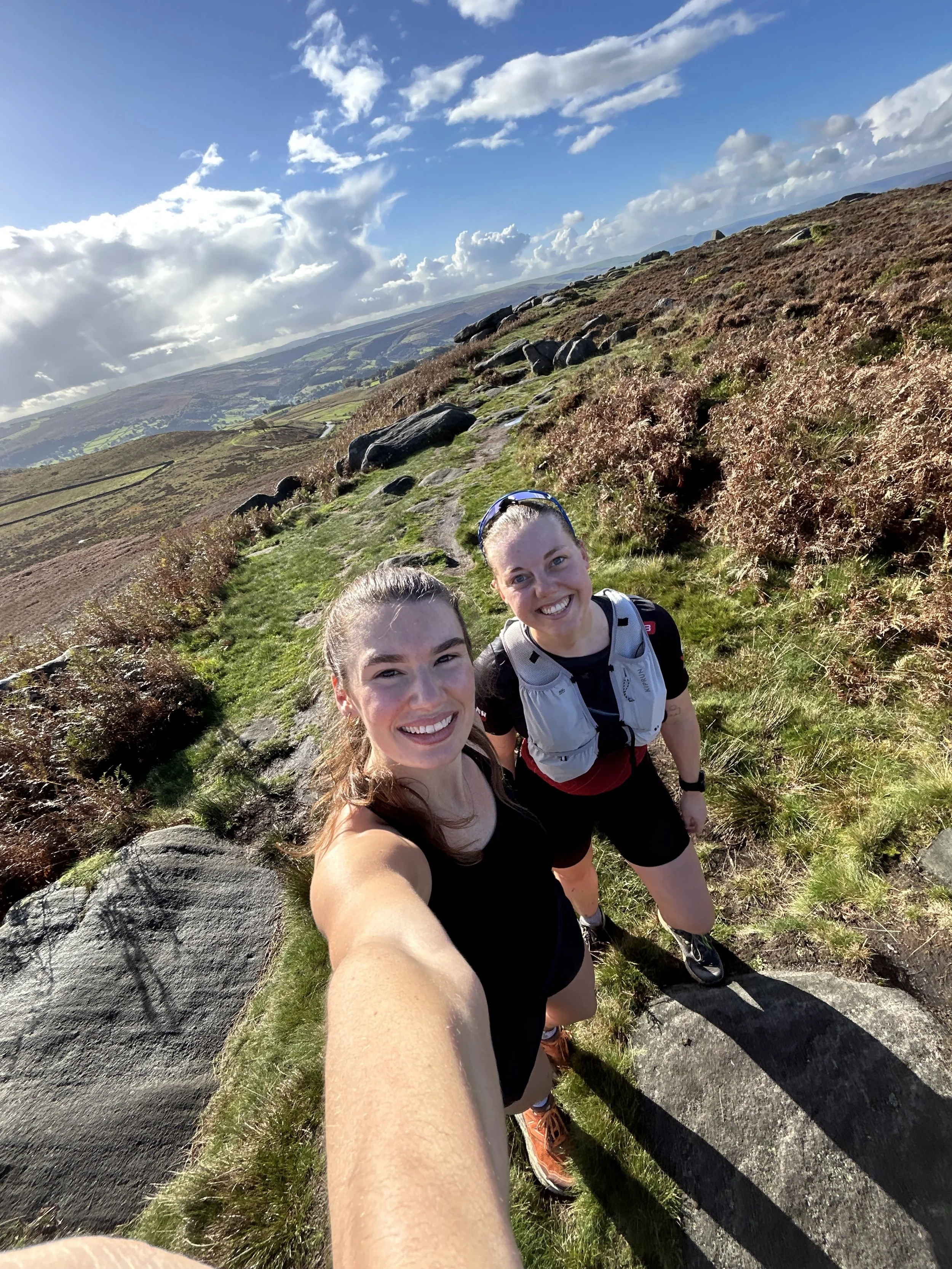
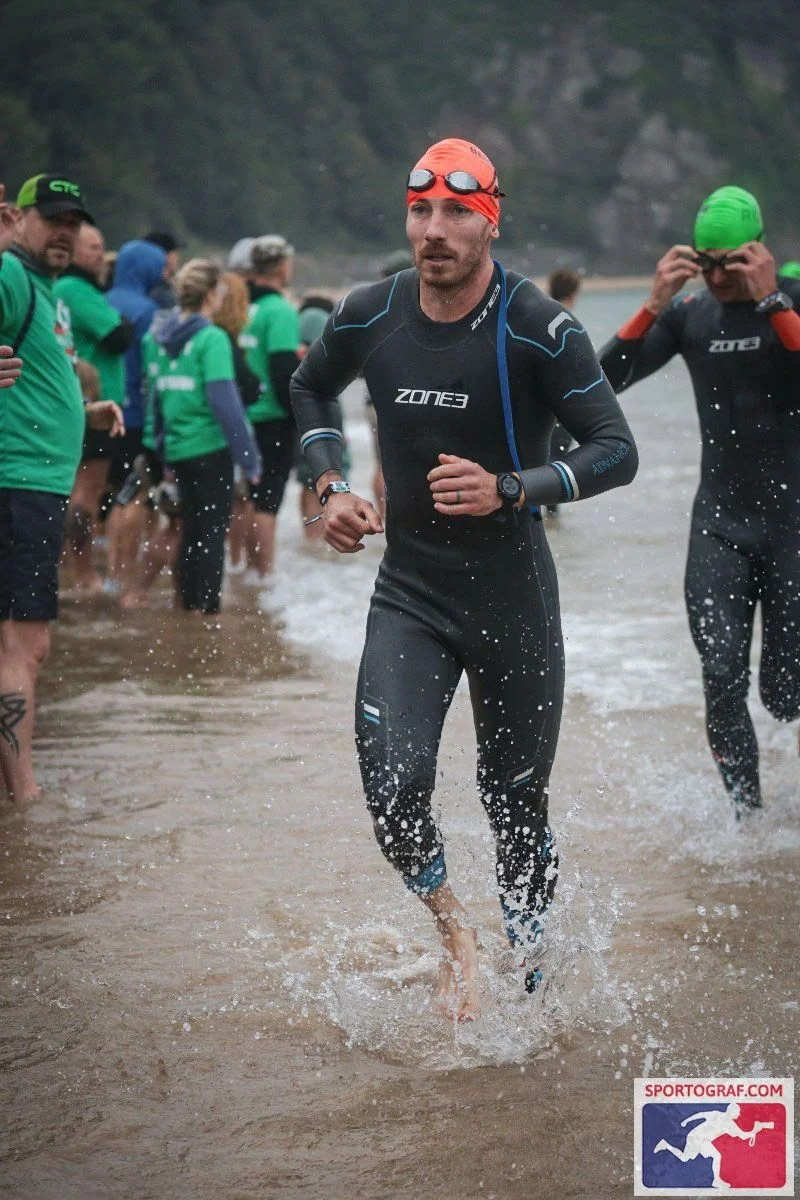
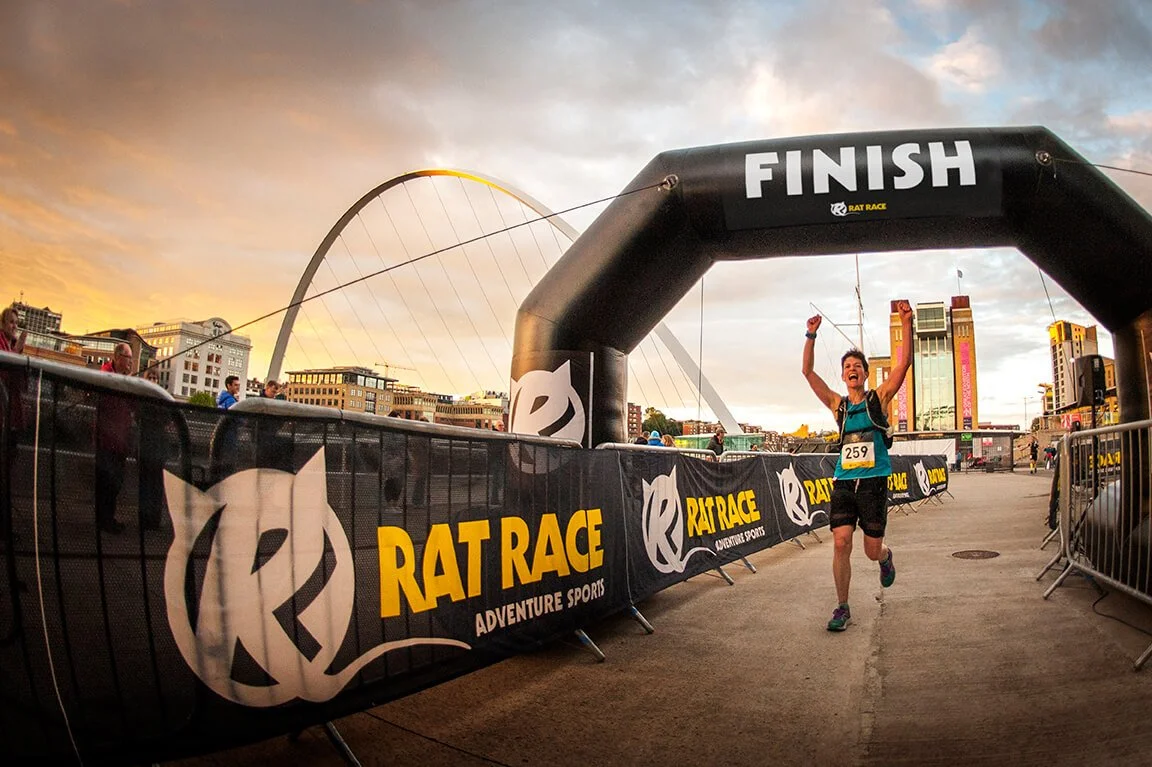
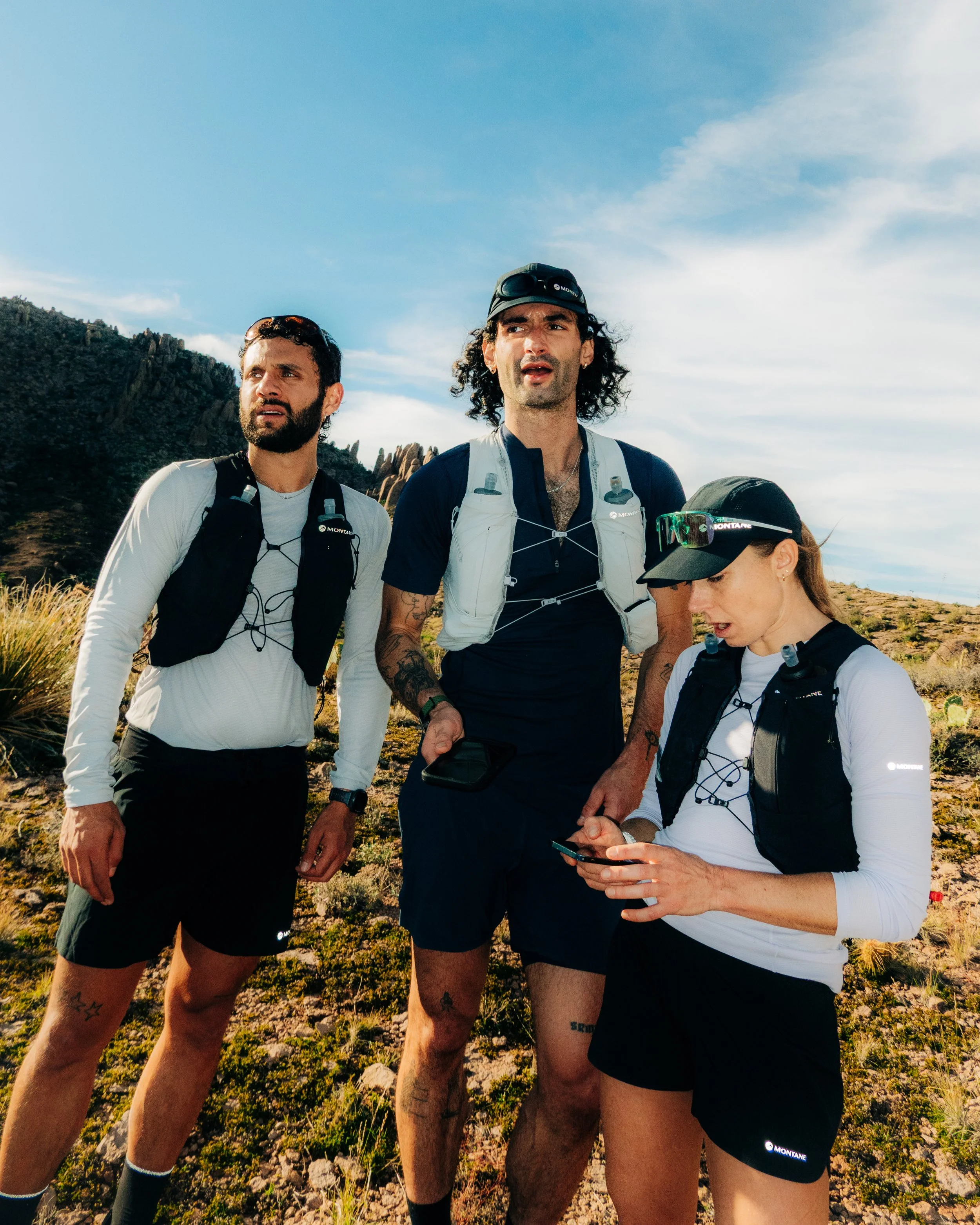
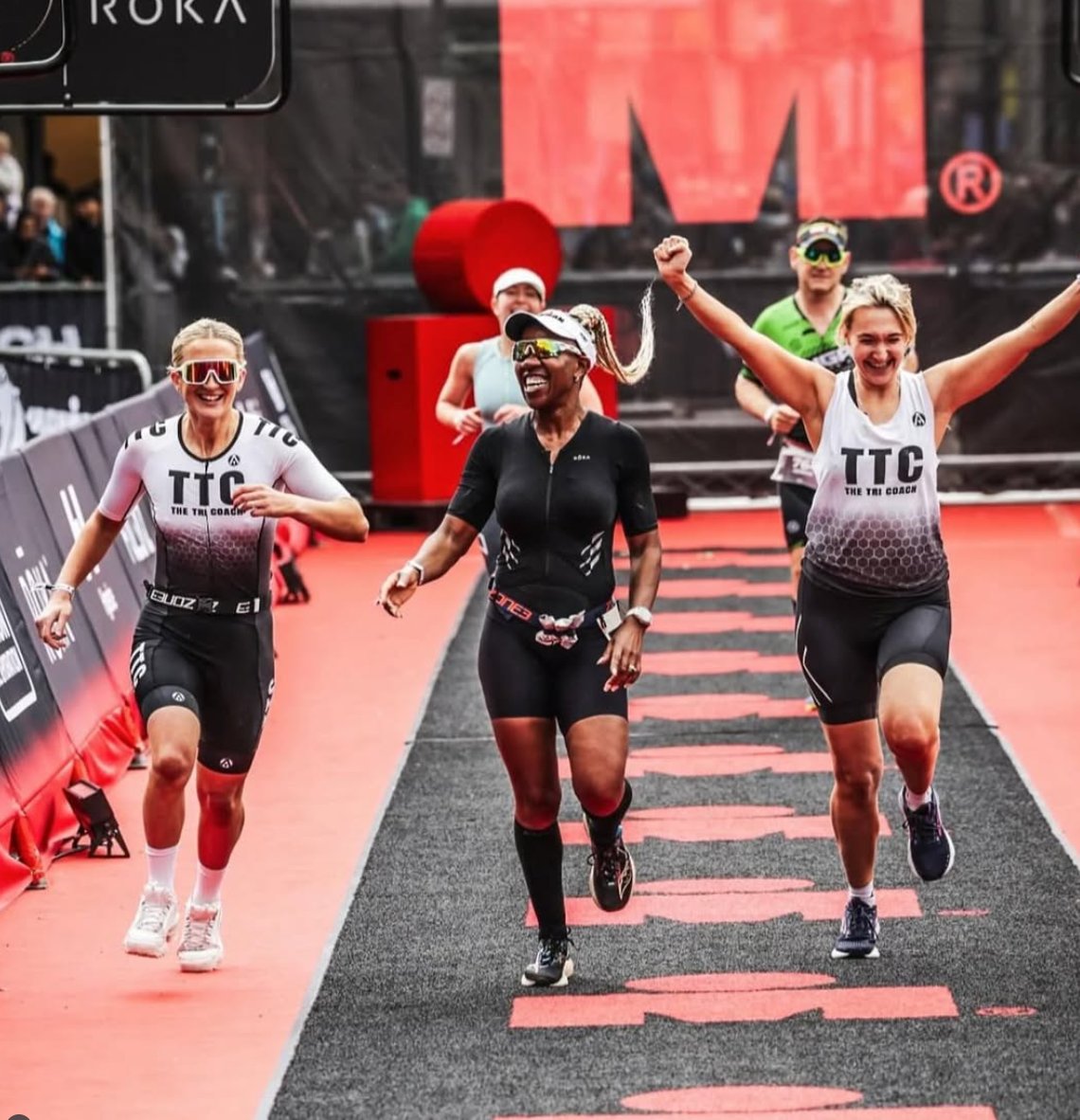
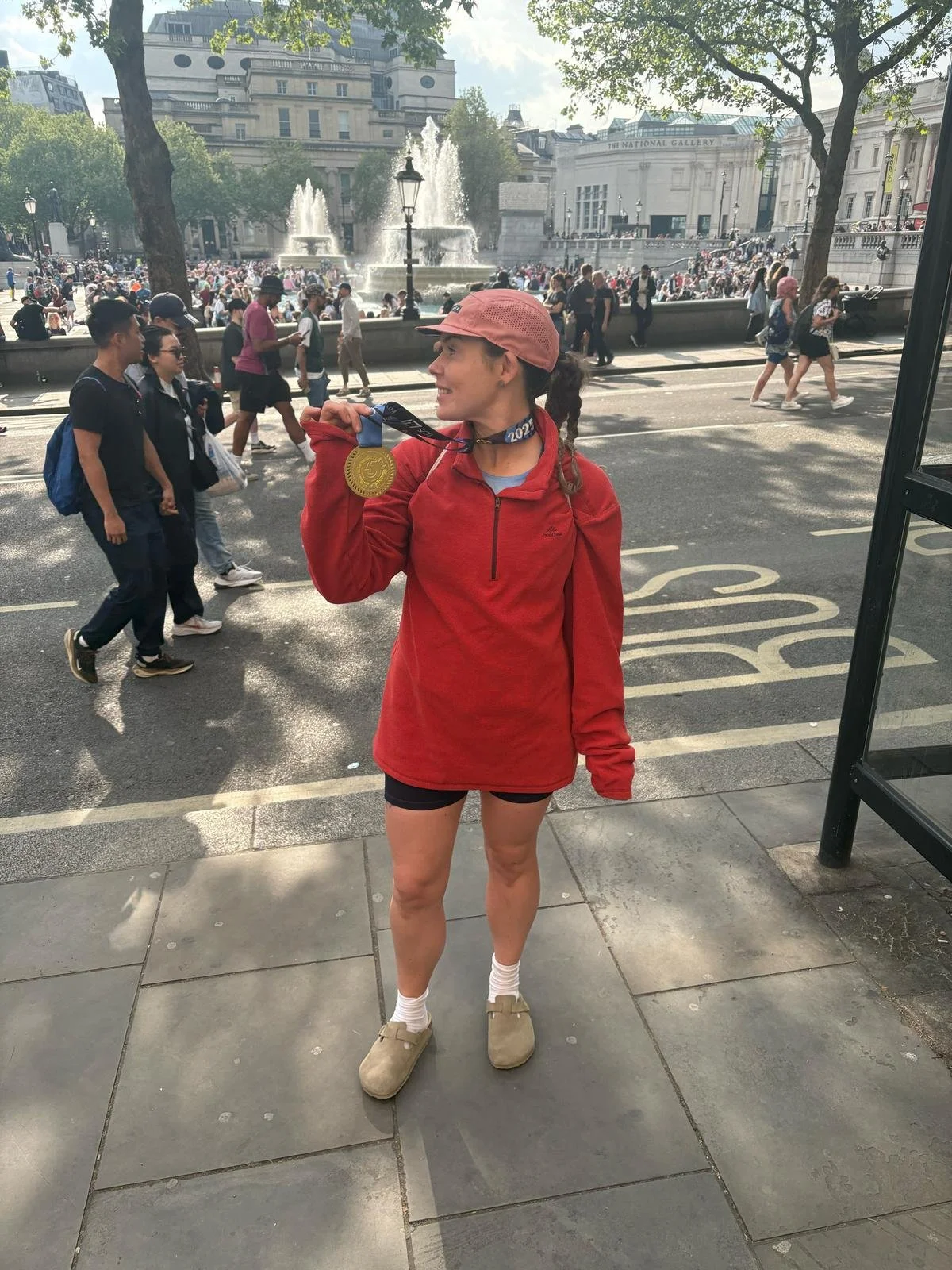
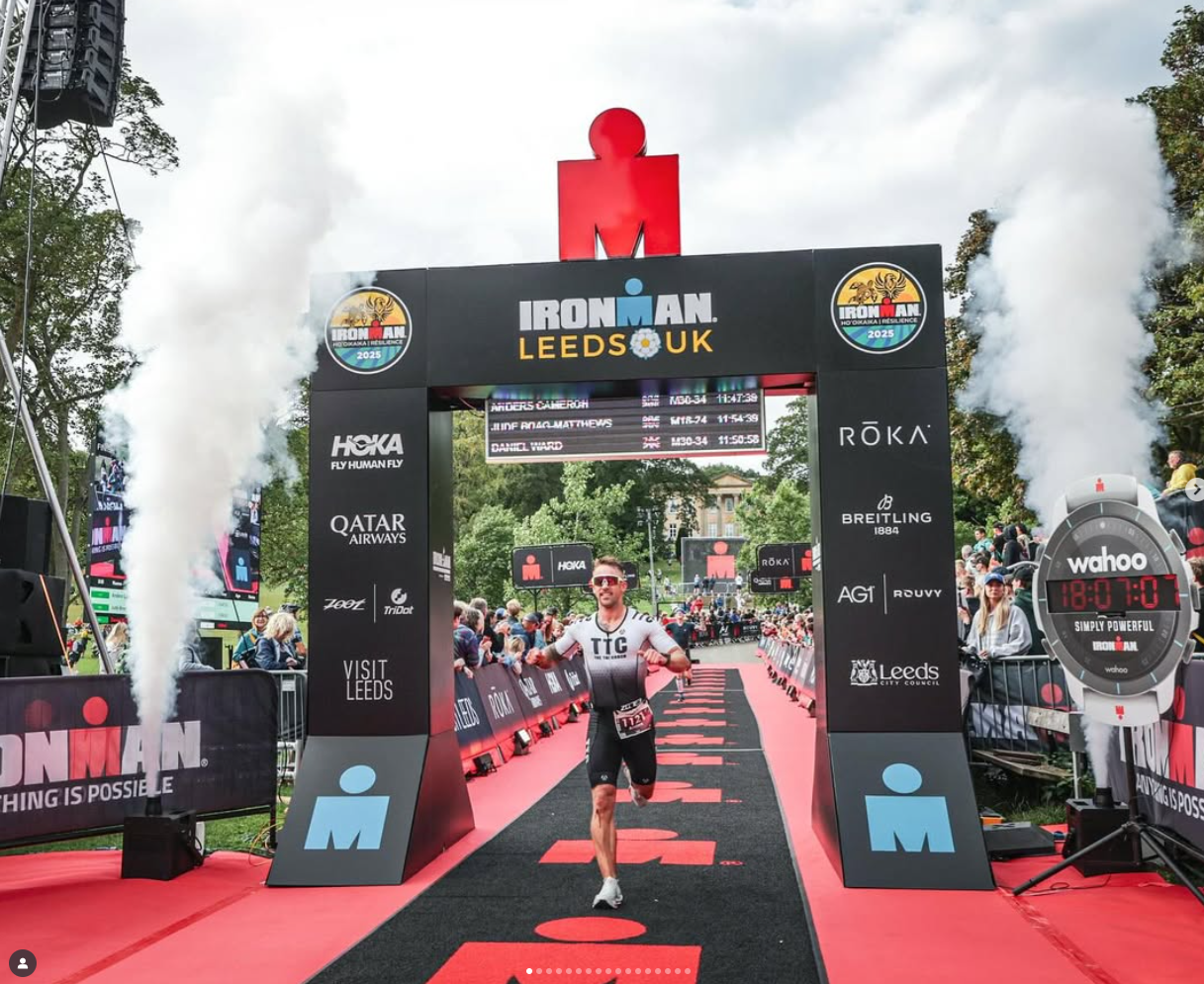
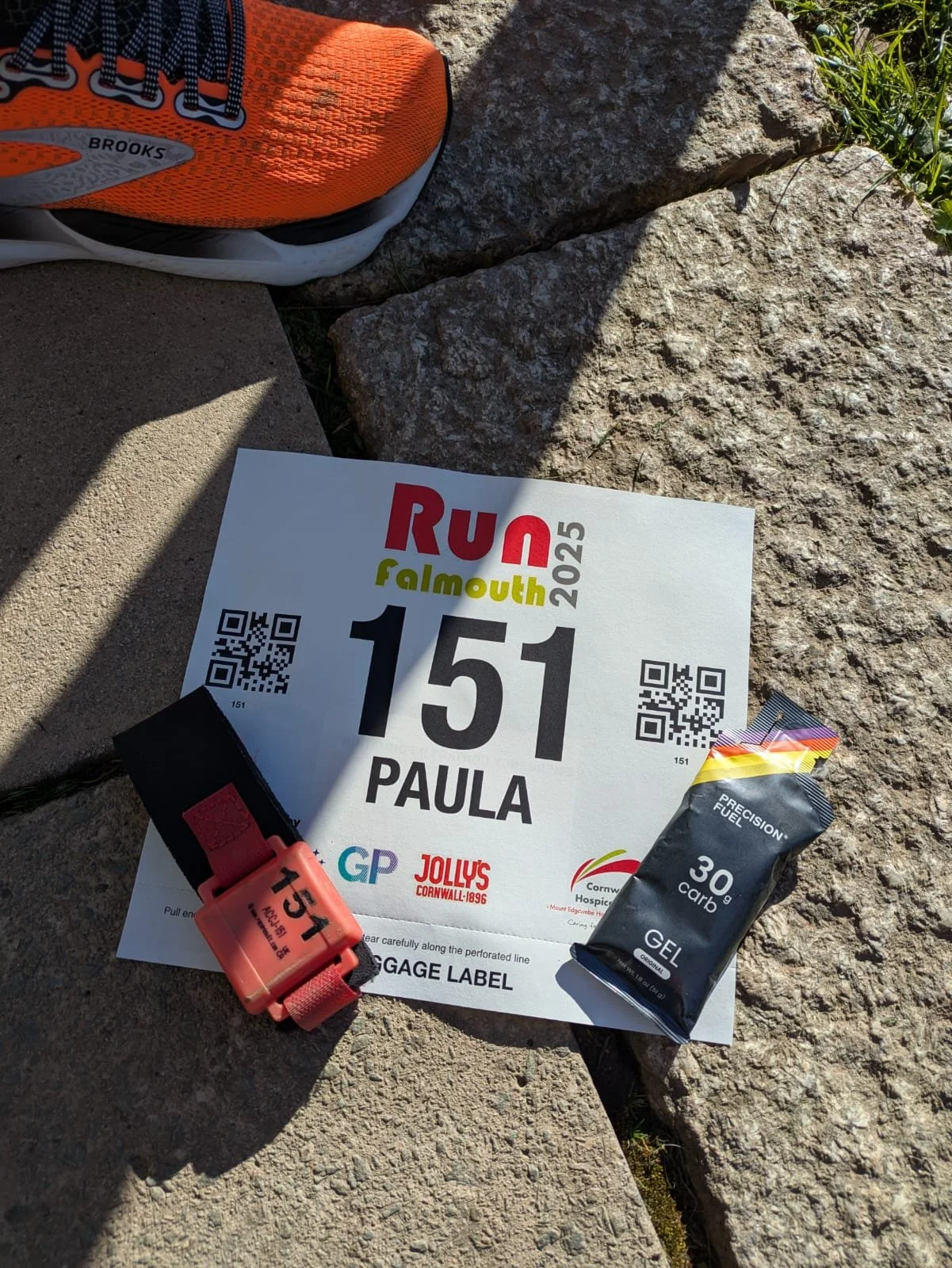
Staying motivated is key! Here are a few photos of our partners and the TrailMed team accomplishing what they worked so hard for last winter.
The Non-Negotiable Winter Ultra Kit Checklist
Core Apparel & Layering
Merino or technical polypropylene base layer – Zero cotton; rapid wicking avoids post-effort chill.
Taped-seam waterproof shell jacket (min. 10,000–20,000mm HH) – Adjustable peaked hood; must fit over mid-layers and vest if needed.
Waterproof overtrousers with taped seams – Essential barrier against wind-driven sleet on high fells.
Active insulation mid-layer (grid fleece or synthetic loft) – Traps warm air while expelling vapour during high metabolic output.
Thermal neck gaiter/buff + windproof skull cap/beanie – Stops massive convective heat loss around neck, ears, and scalp.
Layered glove system (thin liners + waterproof/windproof mitts) – Preserves dexterity for opening gels and adjusting zips.
Footwear & Traction
Aggressive lugged trail running shoes or winter boots – Deep sticky rubber lugs (5mm+) for mud, bog, and hardpack.
Ankle gaiters & merino/waterproof trail socks – Block trail debris, heather, and icy slush from ingress.
Mandatory Safety & Mountain Survival
12L–20L ultra-vest or pack with pole lashings – Adequate capacity for emergency dry layers without bouncing.
Primary headtorch + spare batteries in warm pocket – Cold cuts battery life by up to 50%; always carry redundant light and/or battery.
Full-size emergency foil survival bag (NOT a flat blanket) – Provides a full-body enclosure to retain core heat if immobilised.
Mountain safety whistle + compass & laminated map backup – Battery devices fail; analogue navigation is infallible.
Insulated hydration flasks/bite valve covers – Keeps fluids drinkable and valves clear of ice.
Clinical & Medical Support (TrailMed)
TrailMed Ultra Kit Check Bundle – Pre-vetted, fully compliant mandatory event medical kit.
TrailMed Ultra Endurance Bundle – Medic-developed and tester blister kit, sharps bin, KTape, Cohesive bandage, and 2 x Swift Sip Soft Flasks.
And for those longer events or overseas trips:
TrailMed Telemedicine Service Access / Expedition Medical Packs – Prescription travel advice and remote doctor support for solo ventures.
TrailMed Sweat & Physiological Performance Profile – Tailored electrolyte concentration strategy to prevent cold hyponatremia.
Step Out the Door
That 2027 start line might feel like a distant dream right now, but endurance is built one unglamorous winter mile at a time.
Respect the conditions, pack the gear that keeps you safe, and remember that every wet, freezing morning you conquer is a deposit into your race-day bank account.
Look after your kit, look after your feet, and we’ll see you out on the trails.
Team TrailMed
