
Embedded Expedition Medics
We embed a qualified expedition medic into your group
Dedicated doctors, specialist paramedics and nurses embedded with your team. Providing boots-on-the-ground clinical care, daily trailside maintenance, and complete peace of mind for high-risk overseas adventures
We match an experienced expedition medic to your trip, taking into account the activity, destination, prevailing conditions, and the medic’s prior experience with similar groups and environments. Your medic will coordinate closely with your trip leader to conduct medical screening, assist participants with preparation and preventative advice before the trip, and provide on-site assessment, care and management should anyone become injured or unwell during the expedition.
Best For
Remote, high-altitude, or multi-day endurance events where hospital care is hours away and you need definitive medical capability right by your side.
Staffing Ratio
1 medic per 30 participants (maximum).
Clinical Cover Grade
GMC-registered Doctors (typically Anaesthesia, Emergency Medicine, or Intensive Care), HCPC-registered paramedics, and NMC-registered advanced prescribing nurses.
Regulatory Compliance
CQC-regulated clinical governance, full British Standard BS 8848 planning alignment, and £5m comprehensive medical malpractice and corporate indemnity
-
Immediate diagnosis and treatment on the trail, with no delay in administering prescription pain relief, IV fluids, or emergency trauma care.
-
Daily preventive care, taping hot spots, treating hydration deficits, and managing early infections, keeps minor issues from turning into trip-ending evacuations
-
You transfer clinical decision-making, patient confidentiality, and medical liability to a CQC-regulated medical team
-
Our medics work closely with your tour leaders and local guides, contributing to the supportive, positive atmosphere of the trip
Advantages
Considerations
-
Factors in medic flight logistics, in-country accommodation, and professional day rates.
-
Embedded medics carry specialized multi-bag kit systems (trauma bags, pharmacy packs, and defibs) that require dedicated space in support vehicles or camps
From enquiry to delivery
How It Works
Expedition medicine isn't just about responding to emergencies; it’s about proactive care that keeps your clients moving. From daily blister prevention to managing altitude and heat, our medics become an extension of your crew
Our operational support is delivered across three distinct phases:
Clinical Health Declarations
Participants and crew complete pre-trip health screening via the TrailMed portal. The assigned Chief Medical Officer (CMO) screens all declarations at least four weeks before departure to identify medical history, allergies, relevant conditions and medication needs.
Pre-Trip Direct Consultations
Where risks are identified, our clinical team conducts 1-on-1 participant consultations and liaises with their personal specialists to establish individual emergency thresholds before flight.
Bespoke Evacuation & Regional Mapping
We draft a route-specific Medical Plan that incorporates hospital priority tiers (mapping tertiary facilities vs local health centres), What3Words/Grid Reference coordinates, local emergency services liaison (e.g., 112/HEMS/maritime rescue), and cross-border repatriation pathways.
Medic Pre-Event Briefing
Either prior to departure via a webinar or on arrival, medics deliver in-person participant health briefings covering environmental illness (hydration, heat injury, cold exposure), personal medication storage, footcare protocols, and water hygiene
Step 1 | Thorough Pre-Trip Health & Route Planning
Step 2 | On Expedition Proactive Care & Daily Clinics
Integrated Group Movement
Medics embed directly within group movements or checkpoints, carrying an emergency grab pack for immediate on-event response.
Daily Preventive Clinics
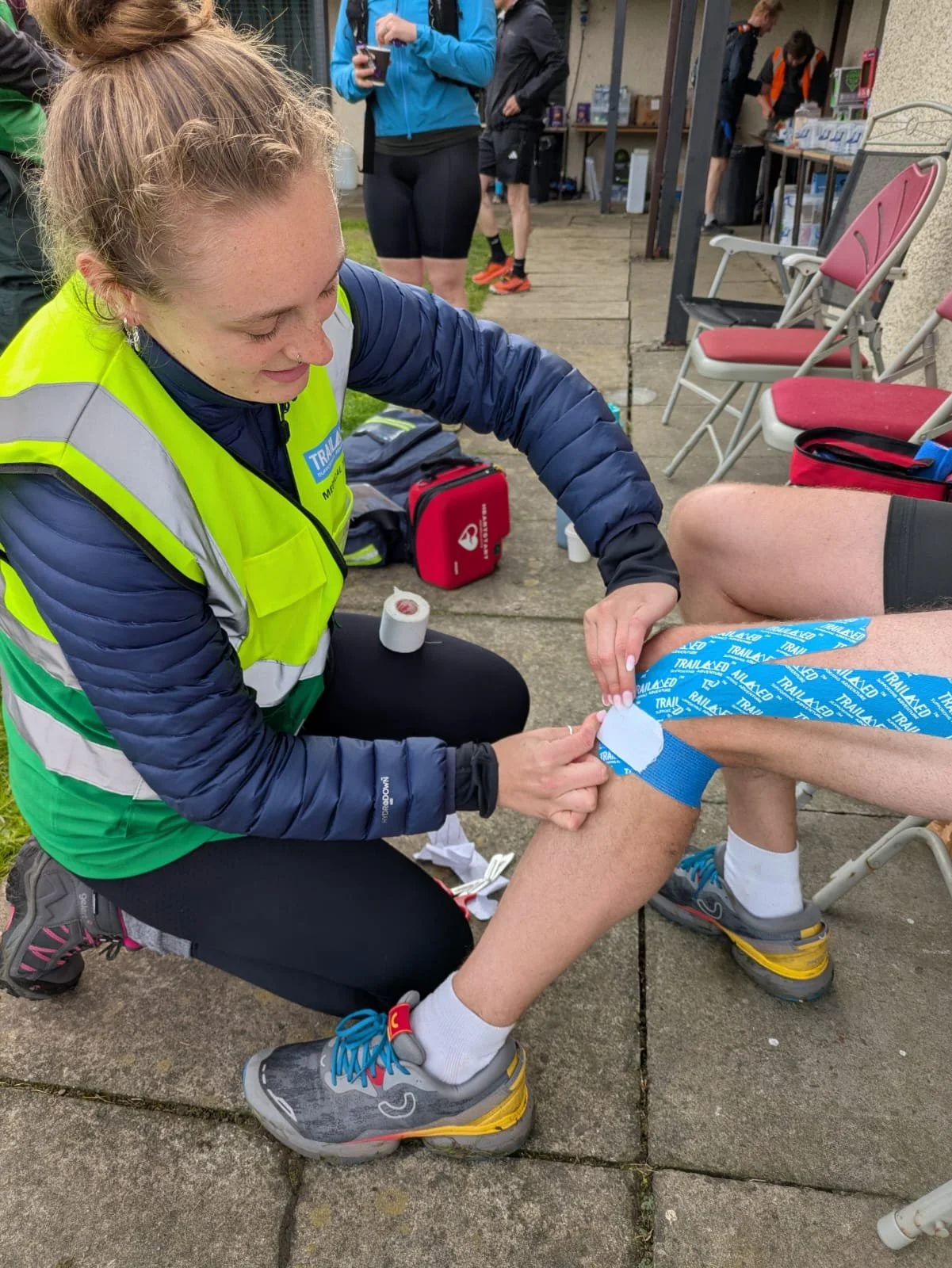
Morning and evening field clinics to manage friction blisters, biomechanical/MSK overuse injuries, strapping/K-taping, gastrointestinal illness, and wound management to prevent dropouts.
Environmental & Physiological Monitoring
Active surveillance using dynamic metrics (such as Wet Bulb Globe Temperature calculations in hot climates, fluid monitoring, and oxygen saturation checks).

Step 3 | Calm, Coordinated Incident Management
Consultant-Led UK Top Cover
On expedition, medics have immediate access to TrailMed's 24/7 UK Consultant-level top-cover line for review of complex secondary cases.
Standardised Emergency Communications
Execute recognised major incident protocols, using METHANE scene reports and ATMIST clinical handovers for seamless transfer to local services.
Secure Electronic RAD Records
Document clinical encounters in real time using TrailMed’s proprietary Rapid Assessment Document (RAD) app, Patient Information System and/or Patient Report Forms, retaining full records for 7 years under Caldicott principles and CQC guidelines.
Total peace of mind
TrailMed supplies all medical hardware, emergency drugs, and environmental packs, removing equipment logistics and pharmaceutical compliance liability from you as the organiser. Even better, our transparent costing system means that after the daily bag charge, you only pay for what is used - no more unexpected medical bills after your trip.
Every expedition medical kit contains:
Complete Equipment Provision
Automated External Defibrillator (AED), Bag-Valve-Mask (BVM), NPA airways, manual diagnostics (pulse oximetry, blood glucose monitoring, core thermometers, stethoscopes).
Resuscitation & Diagnostics
Primary & Wound Care
Minor surgical and suturing packs (Mersilk sutures, sterile scalpels, Lidocaine 1% local anaesthesia), Trauma basics, Steri-Strips, tissue adhesive, Inadine, burn dressings, and eye/ENT diagnostics (Fluorescein, Tetracaine minims).
Medications & Pharmaceuticals
Participant general medications (paracetamol, cetirizine, etc.); broad-spectrum antibiotics (Co-Amoxiclav, Ciprofloxacin, Metronidazole, Doxycycline); emergency analgesia (Penthrox, Codeine, Tramadol); emergency drugs (adrenaline 1:1000, midazolam, and Dexamethasone). Replacement fluids, glucose and antiemetics.
Clinical Governance & Legal
Complete Medical Malpractice Indemnity for our medics, CQC-registered provider standards, and BS 8848-compliant medical risk assessment documentation.
Additionally after risk assessing your trip we can include environmental specific packs such as:
Emergency Trauma Kit
An additional pack to the standard trauma kit that includes: CAT Tourniquets, Russell Chest Seals, 14G long needle thoracostomy, pelvic binders, Pockit stretchers, SAM splints, IV Tranexamic Acid (TXA), and Celox hemostatic dressings.
Heat/Desert
Increased volumes of IV fluids (0.9% NaCl / Hartmann's), giving sets, high-volume oral rehydration salts, active convective/conductive cooling protocols.
Marine
Dedicated sting management (Lidocaine rinse protocols), immersion hypothermia protocols, and secondary drowning monitoring.
Altitude
Additional medications for participants include Acetazolamide, oral/IV Dexamethasone, Nifedipine MR, and high-flow nasal cannula.
Case Study: 104-Mile Multi-Sport Coastal Challenge
-
1. The Setting
A 6-day, 104-mile mixed-discipline expedition across islands and remote coastline involving sea kayaking, stand-up paddleboarding, trail running, and road cycling.
-
2. The Clinical Challenge
The remote island-hopping route carried an evacuation transit time to tertiary hospital care of up to 3 hours, compounded by high heat exposure, open-water marine risks (jellyfish and drowning risks), and high-impact orthopedic trauma.
-
3. The TrailMed Solution
Pre-screened 100% of participants 4 weeks before departure, established baseline flags for cardiovascular risk, and issued private personal medicine plans.
Deployed a doctor and specialist paramedic team equipped with an AED, minor trauma kit, IV cannulation, Schedule 17 prescription medications, and hyperthermia cooling packs.
Maintained daily clinic tents at checkpoint transitions, resolving minor MSK complaints, heat-related salt depletion, and friction blisters before they became trip-ending.
-
4. The Outcome
Zero hospital admissions; all acute marine stings, heat illnesses, and trail abrasions were treated on-site within minutes, and all participants safely reached the finish line with full clinical governance trails documented in the TrailMed RAD platform.
Let’s connect
Planning an overseas venture or endurance challenge?
Speak directly with our clinical leadership team to assess your route profile, review your risk matrix, and align your event with BS 8848 safety standards.