 Image 1 of 4
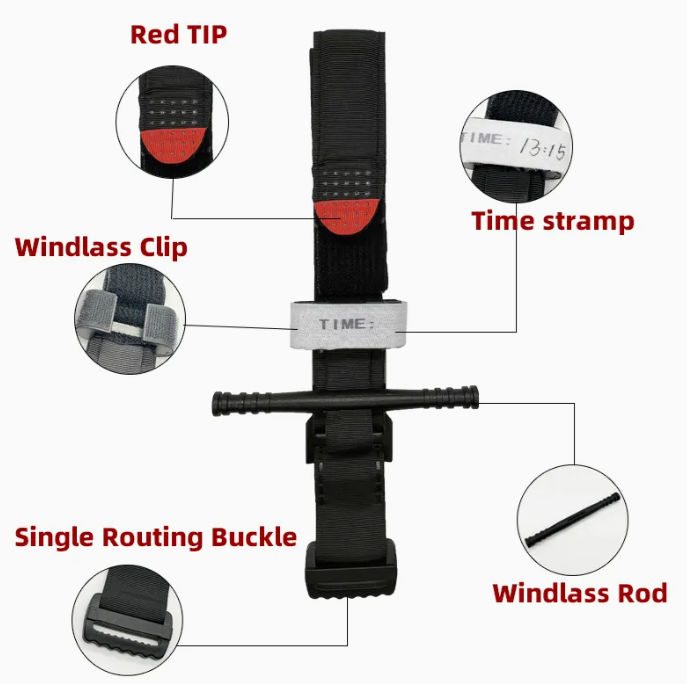 Image 2 of 4
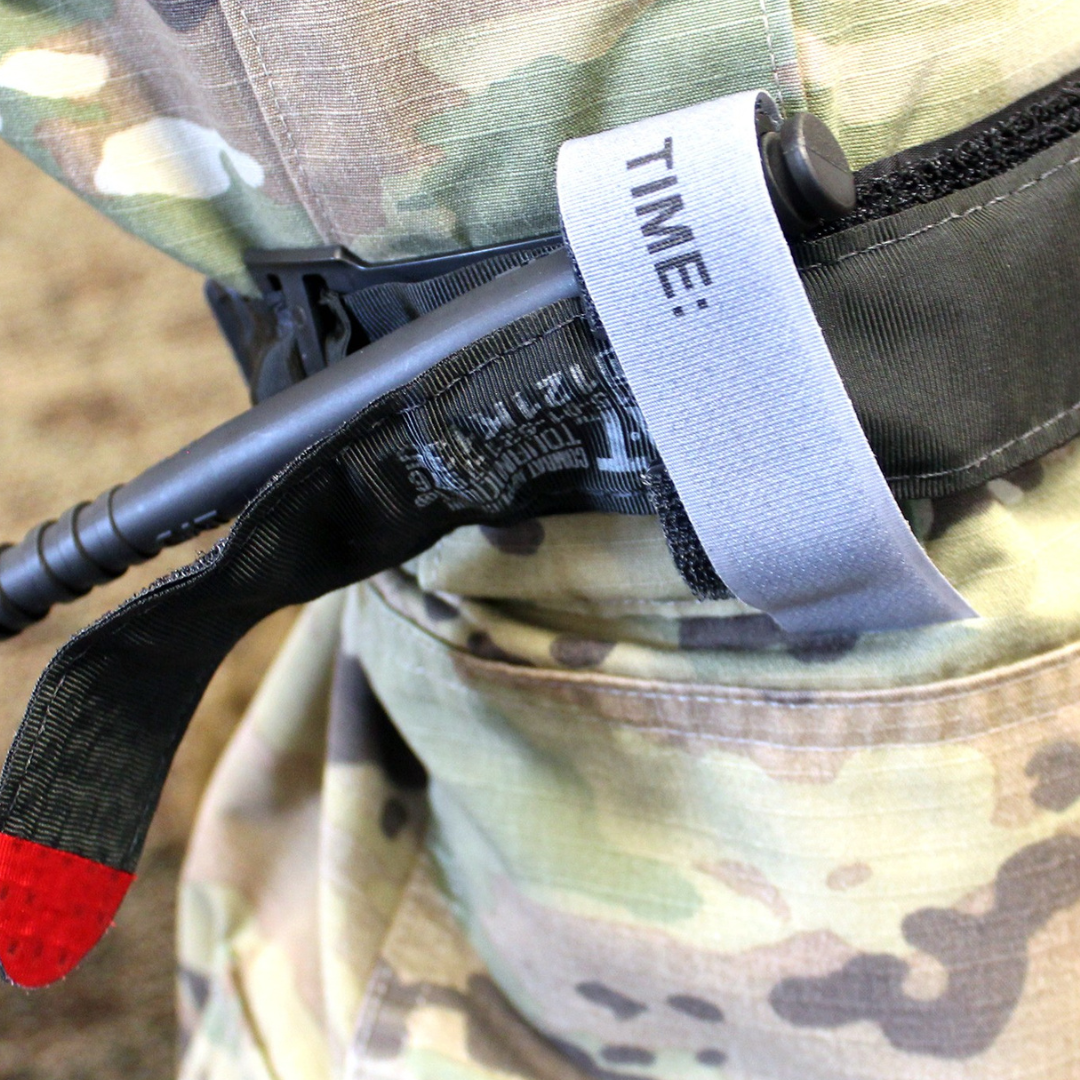 Image 3 of 4
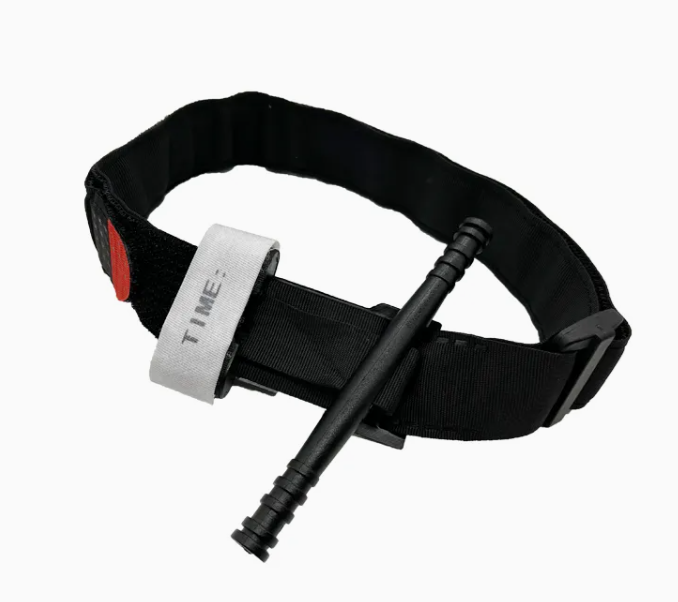 Image 4 of 4
Technical Specifications
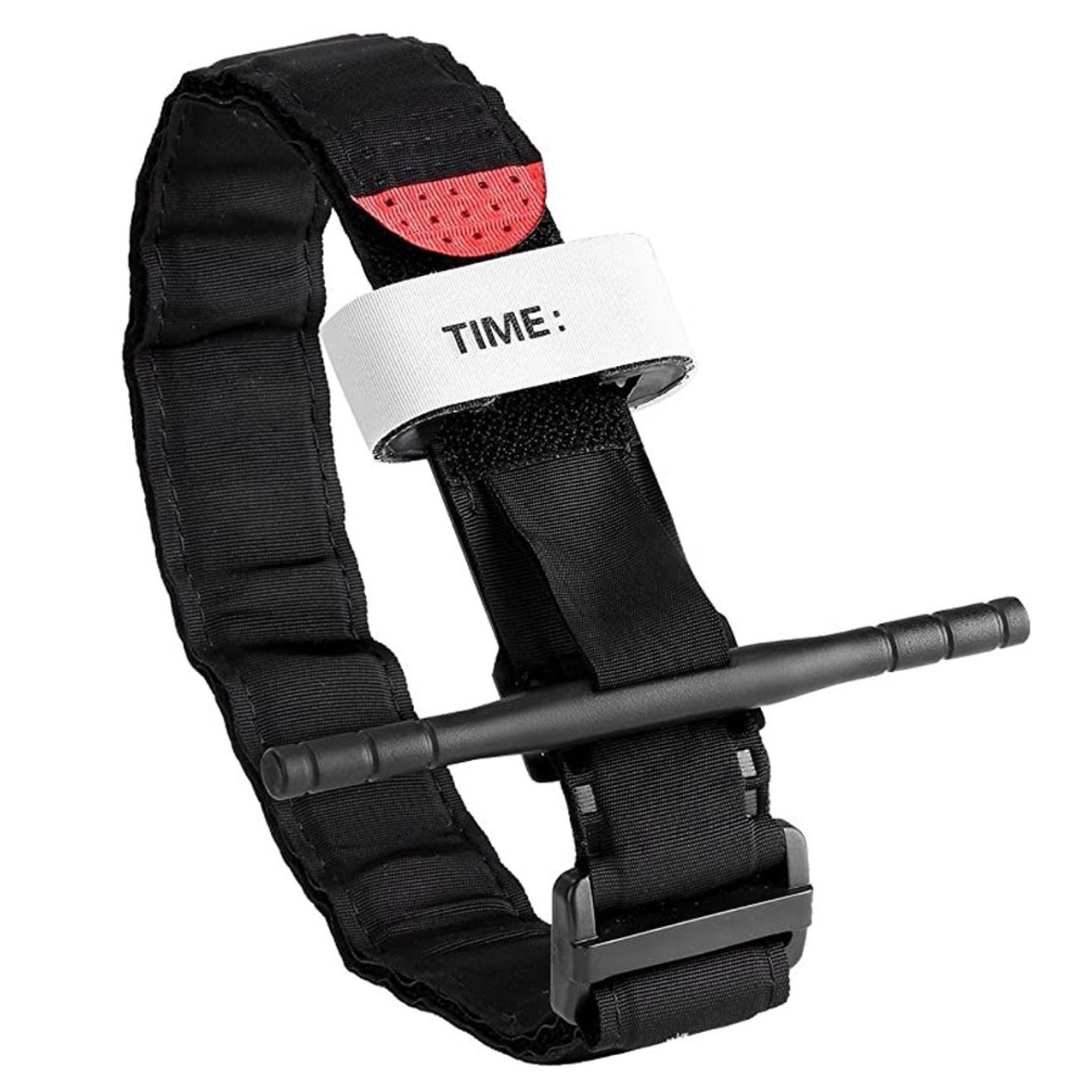
Model: TrailMed Combat Application Tourniquet
Weight: Ultra-lightweight and pocket-sized for trail use
Material: High-strength polymer windlass and reinforced nylon webbing
Application: Certified for one-handed self-application
Compatibility: Suitable for both upper and lower extremities
Storage: Folds compactly for belt pouches, running vests, or saddlebags
Safe Application & UK Medical Advice
A tourniquet is a life-saving tool, but it must be used correctly. In line with UK clinical best practices:
Identify the Bleed: Use a tourniquet only for life-threatening "catastrophic" bleeding from a limb that cannot be controlled by direct pressure.
Positioning: Apply "high and tight" on the limb (above the wound, between the injury and the heart). Avoid placing directly over joints.
Tighten Until It Stops: Turn the windlass rod until the bleeding completely stops and the distal pulse is absent. Note: This will be painful; this is necessary to save the limb.
Lock & Time: Secure the rod in the clip and record the application time (HH:MM) on the white strap immediately using a permanent marker.
Never Loosen: Once applied, a tourniquet must only be removed by a qualified medical professional in a hospital setting.
Important Notice: Training Required | While the CAT is designed for ease of use, we strongly recommend that all purchasers seek formal First Aid training. Effective application is a motor skill that should be practised before an emergency occurs.
Frequently Asked Questions
Q: Can I use this on myself?
A: Yes. The TrailMed CAT is specifically designed for one-handed self-application, making it essential for solo runners, hikers, and cyclists.
Q: Is it suitable for workplace first aid?
A: Absolutely. While not yet mandatory for all UK kits, they are strongly recommended for "high-risk" industries like construction or environments that could lead to major trauma such as cycling events.
Q: Is it re-usable?
A: No. A tourniquet is a single-use life-saving device. Once it has been used in an emergency or used extensively for training, the fibres and plastic may be compromised and the unit should be replaced.